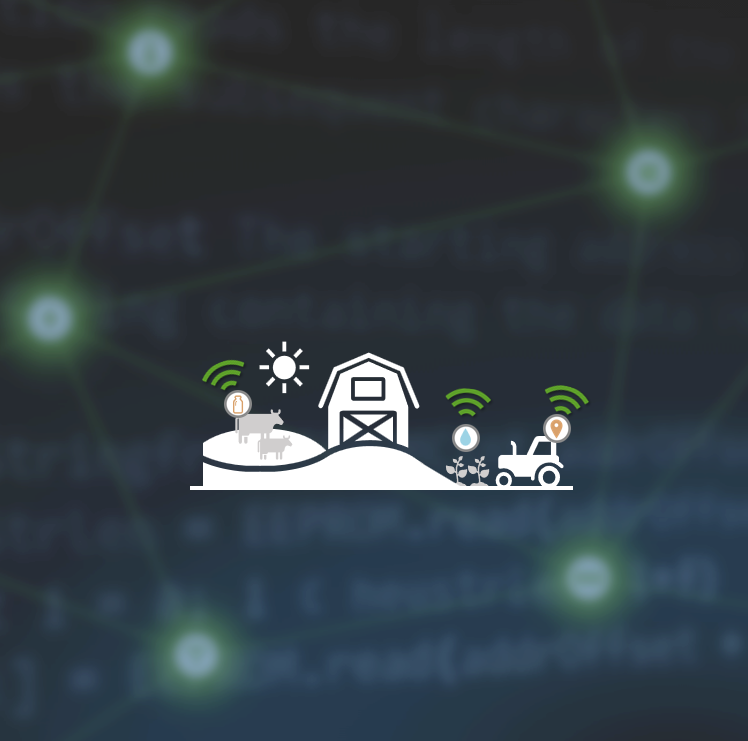
The Internet of Things (IoT) connects a wide variety of devices via the internet, enabling seamless data exchange and remote control. From industrial automation and agriculture to healthcare and smart homes, IoT devices are already an integral part of many sectors.
At the core of every IoT device lies a critical component: embedded software. But what exactly is embedded software, why is it so important for IoT systems, and what challenges must be addressed during development?
What Is Embedded Software?
Embedded software is a fundamental building block of every IoT device. It forms the bridge between the physical world (hardware) and the digital world (data, networks, cloud platforms), enabling devices to communicate, collect data, and perform predefined tasks reliably.
Unlike traditional software applications, embedded software is:
- developed for specific hardware
- designed to perform dedicated functions
- optimized to run continuously without user interaction
In most cases, users interact with embedded software only indirectly – for example during initial device setup or when selecting operating modes. In the background, the software controls, monitors and regulates device behavior in real time.
The goal of embedded software development is to create a tight integration between software and hardware, ensuring maximum performance, efficiency and reliability under strict resource constraints.
Challenges in Embedded Software Development
Developing embedded software for IoT devices is a highly complex task. It requires deep technical expertise and close coordination between software and hardware development teams. Development cycles can span several months or even years, as functionality, performance optimization, debugging and long‑term stability must all be addressed. Some of the most important challenges are outlined below.
Risk Assessment and Planning
For companies where embedded software is not part of their core business, estimating effort, cost and risk can be difficult. Without proper planning, development can quickly become unpredictable and expensive.
A structured risk assessment helps to:
- estimate development and maintenance costs
- define measurable success criteria
- avoid uncontrolled scope growth
Time‑to‑Market Pressure
In the fast‑moving IoT market, time‑to‑market is often a decisive success factor. With tens of billions of connected devices expected worldwide, delays during the development or introduction phase can make it difficult to remain competitive. Software issues that slow down product launches can significantly impact market positioning and revenue potential.
Hardware Constraints and Product Design
Embedded software must adapt to the physical limitations of the chosen hardware. Typical constraints include:
- minimal memory availability
- limited processing power
strict energy - consumption requirements
- long‑term, maintenance‑free operation
At the same time, market expectations demand high performance, energy efficiency and reliability – a challenging combination that requires careful software architecture and optimization.
Security in IoT Environments
As the number of connected IoT devices grows, so does the attack surface. Security is therefore a critical aspect of embedded software development.
Effective security concepts must cover:
- the end device (end node)
gateways - backend and cloud infrastructure
- update and lifecycle management
Security must be considered from the very beginning of the development process and continuously maintained throughout the device lifecycle.
Connectivity and Communication
IoT devices can connect to the internet using a wide range of technologies, such as:
- Ethernet
- Wi‑Fi
- LPWAN
- cellular networks
Each connectivity option comes with its own protocols, advantages and limitations. Developing robust embedded software therefore requires broad knowledge of communication technologies and protocol stacks tailored to the specific use case.
The Future of Embedded Software in IoT
As IoT ecosystems continue to evolve, embedded software is becoming increasingly flexible, modular and integrated. Rising end‑user expectations, combined with rapid technological progress, are driving continuous innovation. According to market forecasts, the global embedded software market is expected to exceed USD 137 billion by 2027, underlining its growing importance across industries.
Why Work with Embedded Software Specialists?
Behind every seemingly simple IoT function lies a highly complex software architecture. Scalability, configurability and long‑term maintainability are essential for sustainable IoT products. For many manufacturing companies, this raises the strategic “make or buy” question. Partnering with experienced embedded software specialists allows companies to benefit from proven expertise, established technology stacks and faster development cycles.
With our protocol stacks, we help companies connect devices to the Internet of Things and enable reliable wireless communication. Get in touch to learn how we can support your IoT projects.