How digital metering solutions improve efficiency, reduce costs, and support sustainability
Digitalization is transforming the energy and water industries at a rapid pace. For municipal utilities, energy providers, and water suppliers, efficient, sustainable, and transparent infrastructure is no longer optional — it is essential.
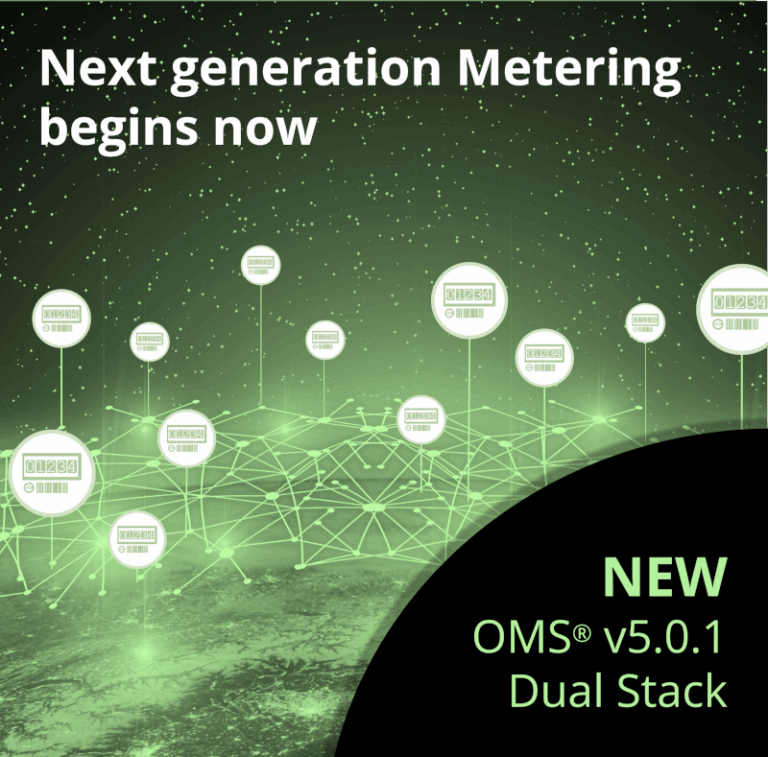
Smart metering systems play a central role in this transformation by enabling automated, secure, and remote consumption data collection using IoT wireless technologies such as LoRaWAN®, mioty®, or Wireless M-Bus.
Below are four key reasons why upgrading to smart metering is a smart and future‑proof investment.
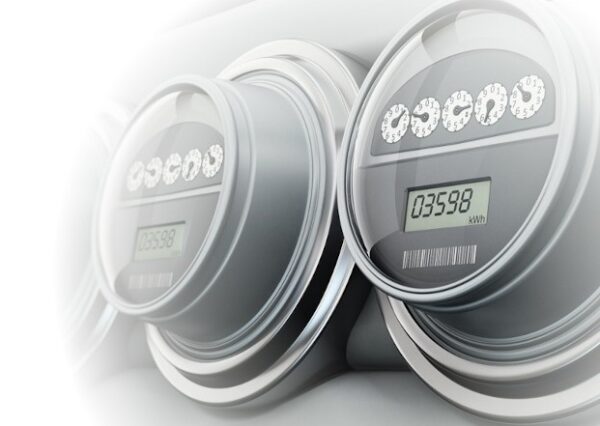
1. Reduce operational costs with automated remote meter reading
Manual meter reading is time-consuming, costly, and prone to errors — especially in hard-to-access locations like basements, underground shafts, or remote buildings. Smart meters automatically transmit consumption data via LPWAN (Low Power Wide Area Network) technologies such as LoRaWAN or mioty.
Benefits:
- No on-site visits required
- Fewer errors and no missed readings
- Lower personnel and operational costs
- No coordination of customer appointments
2. Improve planning accuracy with real-time consumption data
Smart metering provides utilities with continuous access to accurate and up-to-date consumption data. This transparency enables better forecasting, early detection of peak loads, and optimized resource allocation. In times of increasing renewable energy integration and fluctuating grid conditions, real-time data becomes a decisive competitive advantage for energy and water providers.
3. Enable faster maintenance & early fault detection
Modern IoT-enabled meters capture more than just consumption data. Additional parameters such as pressure, temperature, and flow rates allow utilities to detect anomalies like leaks, pipe bursts, or system failures at an early stage.
This enables:
- Predictive maintenance instead of reactive repairs
- Faster response times
- Reduced water loss and downtime
- Lower long-term maintenance costs
4. Support sustainable resource management
Smart metering contributes significantly to sustainability goals. Advanced sensor technologies, such as ultrasonic measurement, ensure precise and long-term accurate consumption data—unlike mechanical meters that wear out over time. At the same time, automated digital workflows reduce travel, paper-based processes, and manual effort, lowering the overall environmental footprint.
Conclusion: Smart Metering is the future of utility management
Whether for utilities, municipalities, or industrial operators — smart metering systems deliver clear economic and environmental benefits. Scalable IoT solutions based on LPWAN technologies make the transition to digital metering efficient, secure, and future-proof.
Ready to modernize your metering infrastructure?
Get in touch with us! We provide robust, flexible smart metering solutions based on LoRaWAN®, mioty®, and Wireless M-Bus — secure, scalable, and designed for long-term operation.