How connected IoT solutions enable sustainable and efficient processes
Claiming that IoT systems alone can save the world would certainly be an overstatement. However, the Internet of Things (IoT) plays a crucial role in enabling more sustainable, resource-efficient, and transparent processes. Industrialization has led to a massive increase in the consumption of energy, water, and raw materials — resulting in growing resource scarcity worldwide.
Technological innovations such as IoT, artificial intelligence (AI), and robotics are now driving a fundamental transformation of industrial processes. They enable companies to integrate environmentally friendly solutions into existing workflows in a way that is both efficient and economically viable.
IoT as a driver for sustainable concepts
With IoT systems, companies can increase transparency, optimize resource usage, and improve cost efficiency and operational performance at the same time.
5 IoT Use Cases for more sustainable processes
1. Smart Metering
Smart metering solutions are highly attractive for both companies and end users. For organizations, technology-driven processes enable continuous monitoring of energy and water consumption.
In the energy sector, smart meters allow consumers to monitor and optimize their energy usage.
In water management, IoT-based metering systems collect data from valves, pumps, or irrigation systems via wireless connectivity. Information on flow rates, pressure, and fill levels enables early detection of leaks and helps prevent significant water losses.
2. Smart Farming
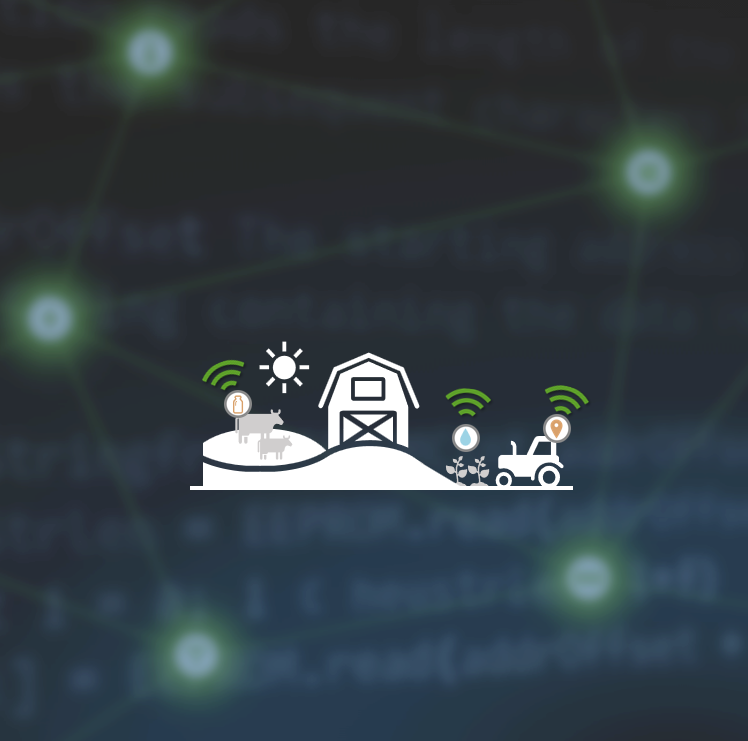
Due to increasing scarcity of arable land and freshwater, intelligent IoT systems are becoming more common in agriculture. Connected devices collect data on soil conditions, plant health, irrigation, and livestock water levels.
By analyzing this data, farmers can optimize fertilization, irrigation, and sowing with high precision. This significantly reduces the use of water, fertilizers, and other resources while minimizing crop losses caused by poor soil conditions or inefficient timing.
3. Waste Management
IoT systems are also increasingly used in urban and industrial waste management. With global waste production rising steadily, sensor-based solutions offer major efficiency gains. Sensors collect data on fill levels, usage frequency, and internal temperatures of waste containers. This enables optimized route planning, reducing CO₂ emissions, fleet size, and overall traffic.
In industrial environments — especially in hazardous waste management — connected containers help detect leaks or fires in real time, preventing severe environmental damage.
4. Lighting Management
Intelligent, sensor-based lighting management is becoming increasingly important for cities and municipalities. Adjusting lighting duration and intensity based on actual demand can significantly reduce energy consumption without compromising public safety.
Wireless monitoring also minimizes maintenance efforts. Faults and outages are detected automatically, enabling targeted maintenance and eliminating unnecessary inspection drives.
5. Fleet Management
In fleet management, factors such as driving behavior, fuel consumption, vehicle condition, and route planning have a major impact on environmental performance. Reducing CO₂ emissions has become a top priority, driven by regulatory requirements and sustainability goals.
IoT systems provide real-time insights into vehicle location, usage, and condition. This allows dynamic route optimization and predictive maintenance, reducing emissions caused by inefficiencies or technical faults.
Conclusion: IoT as an enabler of sustainable transformation
In the past, technological progress often had a negative impact on natural resources and the environment. Today, modern IoT technologies are helping reverse this trend by enabling more sustainable, efficient, and data-driven processes.
The key advantage of IoT systems lies in their flexibility: they optimize operations, increase productivity and profitability, and support companies in making a tangible contribution to sustainability.
At STACKFORCE, we are proud to support this transformation with our use-case-independent IoT protocol stacks, empowering companies to develop their own IoT solutions and implement resource-efficient processes — across industries and applications.